
Reviewed by Joseph Hellman-Benjamin, Founder and CEO. Last updated: October 10, 2026. Editorial Policy
For some time, services such as Airbnb and Uber are taking over their respective markets and have become so popular that many people can’t imagine their lives without them. At the same time, a large percentage of people who own American Express Reward Cards is very fascinated by accumulating points.
The following guide is made with the sole purpose to show users how to pay for various services with Amex points. Or you can sell Amex points as well.
The guide sums up all the things to do so that you can use those reward points for Airbnb, Uber, hotels, flights, car rental, and Amtrak, in that particular order. The easy to follow instructions are your best chance to make the most of those Amex reward points.
Ultimate Guide on Using Amex Points: Maximize Your Membership Rewards
The beauty of the Amex ecosystem lies in its versatility. Unlike cash back, which has a fixed value, Membership Rewards points can be worth vastly different amounts depending on how you choose to “spend” them. From booking flights directly to transferring points to exotic airline partners, the choices can be overwhelming. To build a successful strategy, you must first understand the hierarchy of redemption value.
Understanding the Membership Rewards Ecosystem
Before diving into redemptions, it is important to know that Amex points are a “transferable” currency. This means they are not locked into one specific airline or hotel chain. This flexibility is what makes them so popular among travel enthusiasts. While you can use them for statement credits or gift cards, these are generally considered low value uses of your hard earned points.
In this Ultimate Guide on Using Amex Points, we categorize your options into three main tiers:
- High Value: Transferring to airline partners for premium cabin travel (Business or First Class).
- Moderate Value: Booking travel through the Amex Travel portal or using the “Pay with Points” feature for specific flights.
- Low Value: Statement credits, Amazon purchases, and retail gift cards.
The 1.54 cent figure is for Business Platinum cardholders, who get a 35 percent points rebate on first and business class flights or on any flight with their selected airline. The guide says transfers to airline and hotel partners are where most of the value is.
Transferring to Airline and Hotel Partners
The most powerful way to use your points is through transfer partners. American Express currently has over 20 airline and hotel partners, the majority of which transfer at a 1:1 ratio. This means 1,000 Amex points become 1,000 airline miles. By moving points to programs like British Airways, Delta, or Singapore Airlines, you can book flights that would cost thousands of dollars for a fraction of the points.
For example, transferring points to Virgin Atlantic might allow you to book a flight to London in a premium seat for significantly fewer points than booking through a standard travel portal. According to NerdWallet, Membership Rewards points are valued highly because of this specific ability to leverage partner “sweet spots.”
Booking Through the Amex Travel Portal
If you prefer simplicity over searching for award availability, the Amex Travel portal is a viable middle ground. When you book a flight through the portal, your points are typically worth 1 cent each. While this is lower than the potential value of a transfer, it offers the convenience of booking any available seat on any airline without worrying about blackout dates.
Business Platinum cardholders get an even better deal: a 35 percent points rebate on all first and business class flights, or on any flight with their selected qualifying airline. This effectively boosts the value of each point to approximately 1.54 cents, making the portal a very competitive option for those who prioritize flexibility and ease of use.
What to Avoid: Low-Value Redemptions
A common mistake for beginners is using points for non travel expenses. When you use your points at checkout on Amazon or for a statement credit (often called “Cover Your Charges”), you are usually only getting 0.6 to 0.7 cents per point in value. In the context of this Ultimate Guide on Using Amex Points, we strongly advise against this unless you have an absolute surplus of points and no travel plans for the foreseeable future.
Similarly, retail gift cards often provide poor value. While some occasional promotions might bring a gift card redemption up to 1 cent per point, you are still better off using those points for travel and paying for your retail goods with a credit card to earn even more points on that purchase.
Strategic Tips for 2026
As we move through 2026, keep an eye out for transfer bonuses. American Express frequently offers a 20 to 30 percent bonus when transferring to specific partners like Hilton, Marriott, or various airlines. These bonuses are the best time to move points if you have a specific trip in mind, as they instantly increase your purchasing power.
Always remember to “look before you leap.” Once you transfer your Amex points to a partner, they cannot be moved back to your Amex account. Always verify that the flight or hotel room you want is available for booking before you initiate the transfer. Most transfers are instant, but some can take up to 48 hours, so a little patience and planning are required.
2026 Update: Pay With Points at Apple Pay
In its July 2026 earnings release, American Express said U.S. Card Members can now redeem Membership Rewards points when checking out with Apple Pay, and that Platinum is its fastest-growing U.S. consumer card portfolio (American Express Q2 2026 earnings release). Paying with points at checkout is convenient but usually returns far less per point than transferring to an airline partner.
Related: what Amex points are worth, risks of selling points.
Frequently Asked Questions
- What is the best way to use Amex points?The highest value is typically found by transferring points to airline partners for international business or first-class flights. This can often yield a value of 2 cents per point or higher.
- Do American Express Membership Rewards points expire?As long as you have at least one open card that earns Membership Rewards points and your account is in good standing, your points will not expire.
- Can I use Amex points for Amazon purchases?Yes, you can link your account to Amazon, but the value is usually poor (around 0.7 cents per point). It is generally recommended to save points for travel instead.
- Can I transfer Amex points to someone else?You cannot transfer points directly to another person’s Amex account. However, you can transfer your points to a frequent flyer account belonging to an authorized user who has been on your account for at least 90 days.
- Is it worth using points for hotel stays?Generally, transferring to hotel partners like Marriott or Hilton offers lower value than airline transfers. The exception is Choice Privileges or during specific high-value transfer bonus periods.
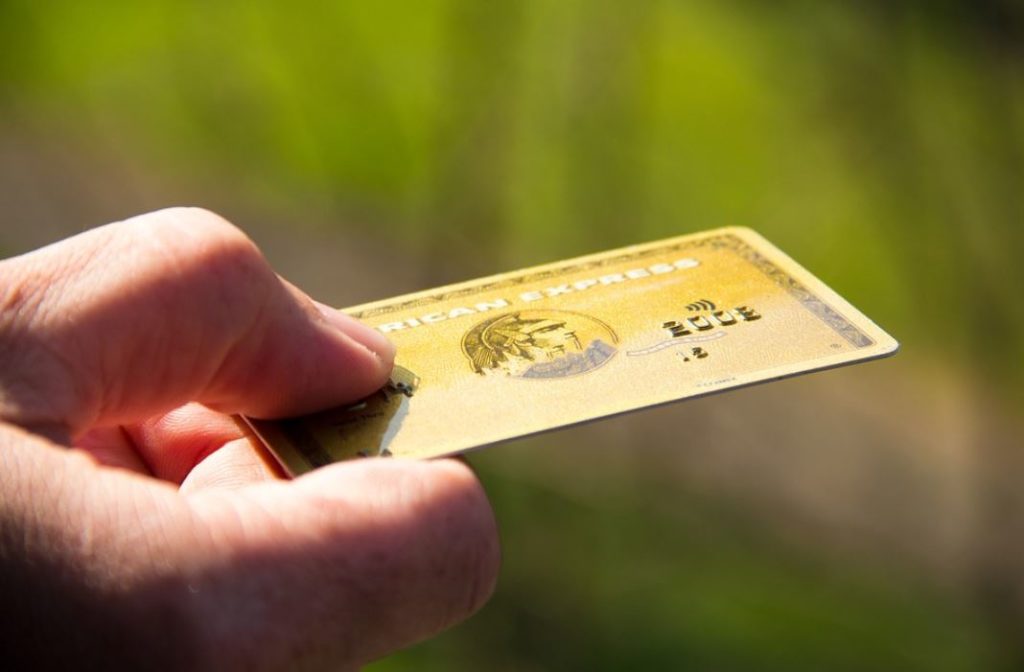
Arithmetic from the 20 to 30 percent bonuses the 2026 tips section on this page says Amex frequently offers to partners such as Hilton, Marriott or airlines. Transfers cannot be moved back to Amex; most are instant, but some take up to 48 hours.